
ADDA Held Its First “For Girls, By Girls” Girls’ Summit
Traditional rulers, educationists, students, legislators, and civil society organisations across Gombe State have raised urgent concerns about the widespread involvement of school-aged girls in farm labour, locally known as “Barema.” Stakeholders warned that the practice is disrupting girls’ education and exposing them to serious risks, including exploitation and abuse.
During the rainy season, many young girls can be seen roaming the streets in search of farm work, often for meagre pay. What may appear to be seasonal labour is, in reality, a growing threat to their safety, dignity, and long-term future.
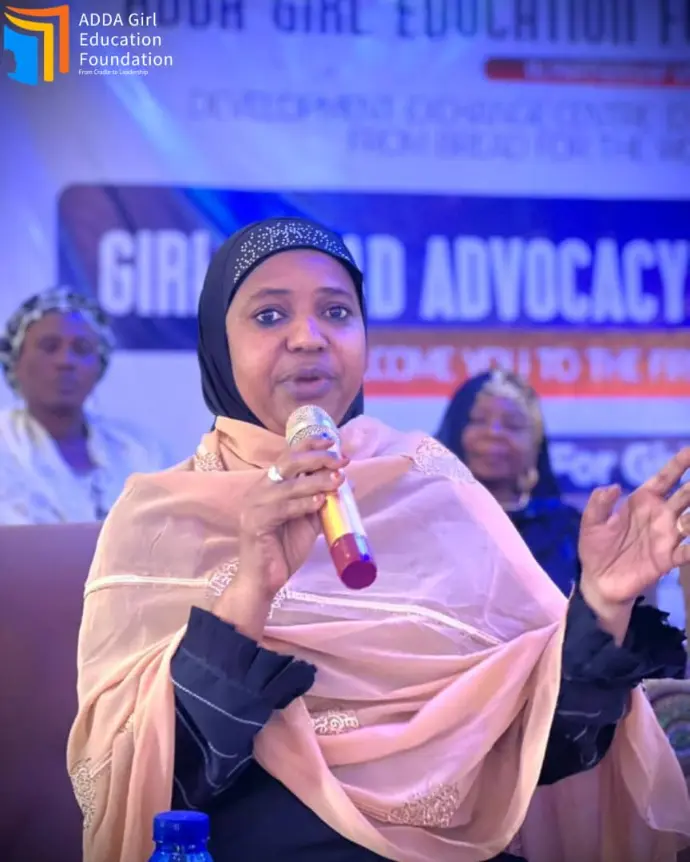
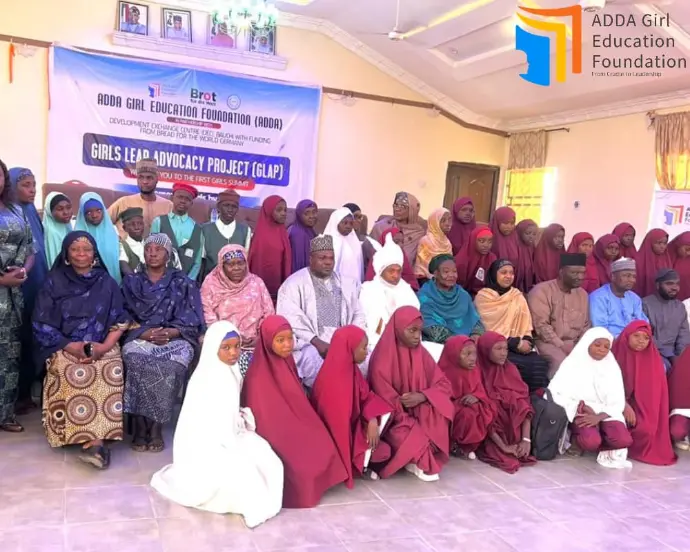
These concerns were brought to the forefront at the first-ever “For Girls, By Girls” Girls’ Summit, organised by the Adda Girl Education Foundation (ADDA) in partnership with the Development Exchange Centre (DEC), with funding support from Bread for the World, Germany.
A Platform for Girls to Lead
The summit forms part of the Girls Lead Advocacy Project (GLAP), designed to reduce the prevalence of barema in Gombe State.
According to ADDA’s Programme Coordinator, Mr Abubakar Abdullahi Hussein, the summit empowered girls from Malam Jamo and Gamadadi communities in Akko LGA through training in:
- Gender-based violence awareness
- Communication and advocacy skills
- Leadership development
- Life skills
In total, 20 in-school girls were trained, while 20 girls from Barema-practicing communities participated in peer learning cycles, creating safe spaces to share experiences and strengthen school enrolment efforts .
With guidance from female mentors, the girls deepened their understanding of the dangers of Barema and the importance of education, safety, and dignity .
The Highlight: Presentation of the Girls’ Advocacy Brief
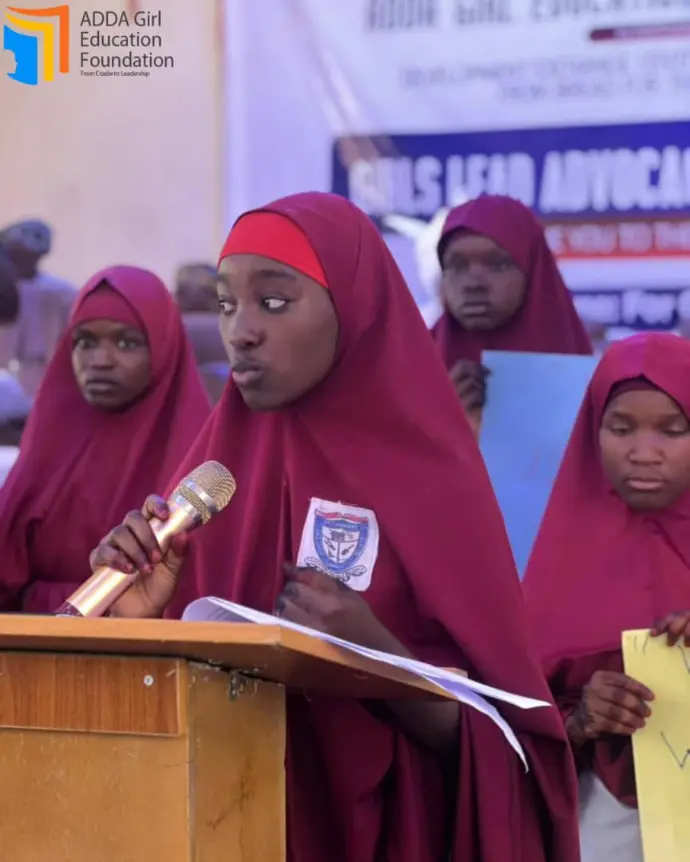
The most powerful moment of the summit came when the girls themselves took the stage to present their Advocacy Brief on Ending Barema in Akko LGA.
Standing confidently before government officials, parliamentarians, parents, development partners, the media, and community leaders, the girls shared their lived realities and collective demands.
In their presentation, they outlined the key dangers of Barema, including:
- Fatigue and substance misuse, as some girls resort to drugs or extreme coping mechanisms to withstand heavy farm labour
- Absenteeism and school dropout, which robs girls of their education and future opportunities
- Snake, scorpion, and insect bites, exposing girls to life-threatening risks in unsafe farm environments
- Sexual abuse and harassment, particularly in isolated farm settings
- Maltreatment and unfair wages, with many girls underpaid or not paid at all
Beyond highlighting the dangers, the girls issued a strong appeal to stakeholders.
They called on:
Government officials and parliamentarians to enforce child protection laws, provide scholarships and school feeding programmes, strengthen child protection services, and support second-chance education for girls and women .
Parents and guardians to prioritise education over short-term financial gains and support their daughters’ dreams .
Community and religious leaders to speak out against Barema and promote education as a moral and social duty .
Development partners and NGOs to continue supporting initiatives like GLAP, provide mentorship, vocational training, and safe spaces .
The media to raise awareness and amplify success stories of girls who leave Barema behind .
And importantly, they called on girls and young women to stand together, refuse silence, and use their voices to demand change .
The girls concluded with a powerful vision:
A community where every girl is in school, not on the farm;
where girls are leaders, advocates, and change-makers;
and where Barema is replaced with education, skills, and empowerment .
A Collective Responsibility
Stakeholders at the summit reaffirmed that Barema is not merely economic labour but a child protection and gender justice issue.
While Gombe State has enacted protective laws such as the Violence Against Persons Prohibition (VAPP) Law and the Child Rights Act, concerns remain about weak implementation and enforcement.
The “For Girls, By Girls” Girls’ Summit marked a defining moment, not just as a dialogue platform, but as a movement led by girls themselves.
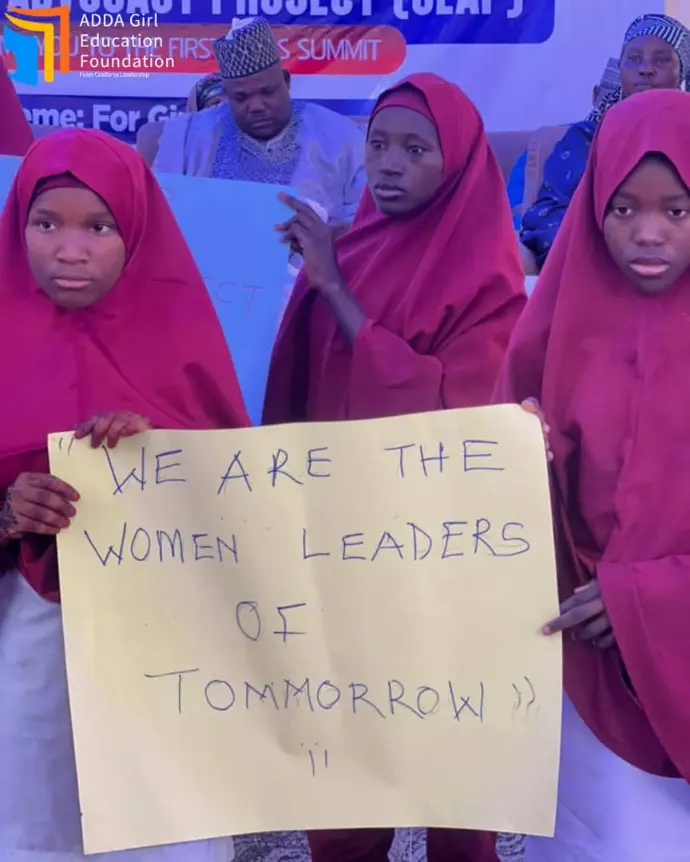
As they declared in closing:
We are not just girls of today. We are the women leaders of tomorrow. Help us protect our future.
Through advocacy, mentorship, and strategic partnerships, ADDA remains committed to ensuring that every girl in Akko LGA and beyond is safe, educated, and empowered.